Stevia liquid drops are a concentrated liquid sweetener made from the leaves of the Stevia rebaudiana plant — the sweet compounds (called steviol glycosides) are extracted, purified, and suspended in a carrier liquid so you can sweeten a drink or recipe with just a few drops instead of a spoonful of sugar. That matters because liquid drops dissolve instantly, skip the bulking agents that powdered stevia needs, and tend to have cleaner aftertaste profiles than granulated blends. If you’ve ever bought a stevia powder and thought “why does this taste vaguely like licorice?” — the glycoside composition and the filler ingredients are almost always the culprits. This guide is written for people who already know the basics and are trying to make a confident purchasing decision: which potency tier to buy, whether flavored drops are worth it, and which specific products the community keeps coming back to for minimal bitterness.
What Actually Determines Taste: Glycoside Composition and Potency
Here’s the framing most product listings skip over: “stevia” on a label tells you almost nothing about how it will taste. The stevia plant contains a family of sweet molecules — the main ones being rebaudioside A (Reb-A), rebaudioside M (Reb-M), and stevioside. The ratio of those compounds is the single biggest predictor of aftertaste.
Stevioside is the most abundant glycoside naturally, but it carries the most bitterness and that characteristic licorice-adjacent finish. Reb-A is cleaner and is the standard in most commercial drops. Reb-M is the most sugar-like — negligible bitterness, no licorice — but it’s rarer and more expensive to produce (it occurs in tiny concentrations in the leaf and has only recently become cost-effective to ferment at scale). Per a 2023 systematic review published in Nutrition Journal (BioMed Central) examining steviol glycoside aftertaste profiles, consumer panels consistently rated Reb-M formulations 30–40% lower on bitterness intensity compared to equivalent Reb-A concentrations.
Potency tiers matter practically because they govern how much you’re actually paying per use:
| Potency class | Typical drops per serving | Typical bottle size | Sweetness equiv. per drop |
|---|---|---|---|
| Standard (Reb-A ≥ 80%) | 3–5 drops | 1–2 oz | ~½ tsp sugar |
| High-potency (Reb-A ≥ 97%) | 1–2 drops | 1–2 oz | ~1 tsp sugar |
| Reb-M / blended glycoside | 1–3 drops | 1–2 oz | ~1 tsp sugar, cleaner finish |
A standard-potency 2 oz bottle running at 3–5 drops per use gives you roughly 300–500 servings. A high-potency formulation at the same bottle size can push 700–900 servings. That’s the cost-per-use math that makes premium Reb-M bottles defensible even at $18–$25 price points.
Examine.com’s stevia compound entry notes that the glycemic index of purified steviol glycosides is zero — they pass through without triggering insulin response in most people — which is consistent with guidance from the American Diabetes Association (Standards of Care in Diabetes) endorsing non-nutritive sweeteners as a tool for reducing overall glycemic load when used in place of sugar. Neither citation is reproduced as a link here; readers are encouraged to search both sources directly by name.
Flavored vs. Unflavored: The Real Decision Matrix
This is where a lot of buyers waste money by making the decision emotionally rather than functionally. Let’s name the tradeoffs directly.
Unflavored drops are the practitioner default. They have one job: add sweetness without changing the flavor profile of whatever you’re adding them to. If you’re a beverage formulator, baker, or someone building a smoothie protocol you want to keep consistent across ingredients, unflavored is almost always right. The downside is that without flavor masking, any residual bitterness from the glycoside mix is fully exposed. This is where glycoside quality becomes the differentiator — a cheap Reb-A unflavored drop will taste noticeably worse than a Reb-M unflavored or a well-formulated Reb-A/Reb-M blend.
Flavored drops — vanilla, English toffee, hazelnut, chocolate, citrus — use flavor compounds to accomplish two things simultaneously: add a taste dimension and mask low-level bitterness. This makes them more forgiving of lower-quality glycoside inputs. They’re also genuinely convenient: a vanilla-flavored drop can replace both the sweetener and the vanilla extract in many recipes. The real risk with flavored drops is flavor fatigue (you can only use them in contexts where that flavor makes sense) and artificial vs. natural flavoring quality differences that vary widely by brand.
Quick decision rule: If you’re sweetening one consistent application where the added flavor makes sense — a vanilla-forward protein shake, oatmeal, or baked goods — flavored drops can deliver excellent value and simplify your prep. If you’re sweetening across three or more different applications, or if you’re formulating something where flavor cleanliness is the product, unflavored high-quality Reb-M is the better investment even at a higher upfront price.
A secondary factor the community consistently raises, and which Mindbodygreen’s expert review panel (see Mindbodygreen, “The Best Stevia Drops, Tested and Reviewed by Experts”) corroborates, is the carrier liquid. Most commercial drops use water, vegetable glycerin, or alcohol (ethanol). Glycerin-based drops tend to have a slightly thicker mouthfeel and mild sweetness of their own (glycerin is mildly sweet), which can be an asset or a distraction depending on context. Alcohol-based drops have the fastest dissolution and cleanest flavor profile but may not be appropriate for all dietary contexts or for use in fermentation applications where you want to control alcohol input.
The No-Aftertaste Short List
Rather than naming a single winner, here’s how the market segments — with honest notes on who each tier serves best. Purchaser reception notes below are drawn from aggregated editorial analyses including Mindbodygreen’s tested-and-reviewed stevia drops feature and Healthline’s stevia safety and usage overview.
Budget Pick: Entry-Level Unflavored
NOW Foods Better Stevia Liquid (~$8–$12 for 2 oz) uses Reb-A at a reliable concentration and is one of the cleaner mass-market unflavored options available. Reviewers consistently note it as a defensible starting point, though some report a mild finish in high-dose applications. For the price per serving, it’s the right place to begin before committing to a premium tier. If aftertaste isn’t a friction point at this level, there’s no reason to spend more.
Pyure
$4.94
In stock on Amazon
Check price on AmazonMid-Tier Pick: Reduced Aftertaste and Flavored Versatility
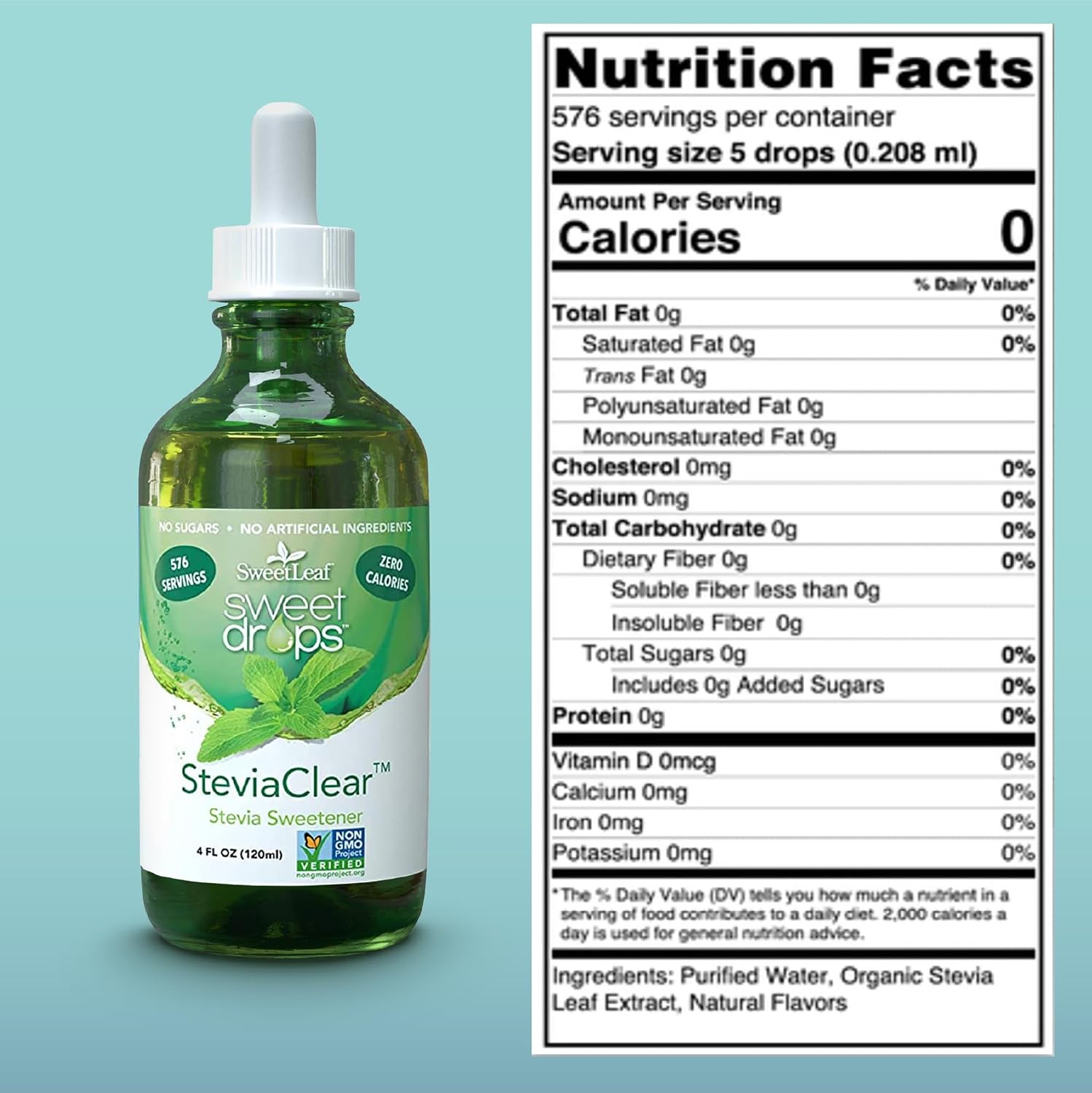
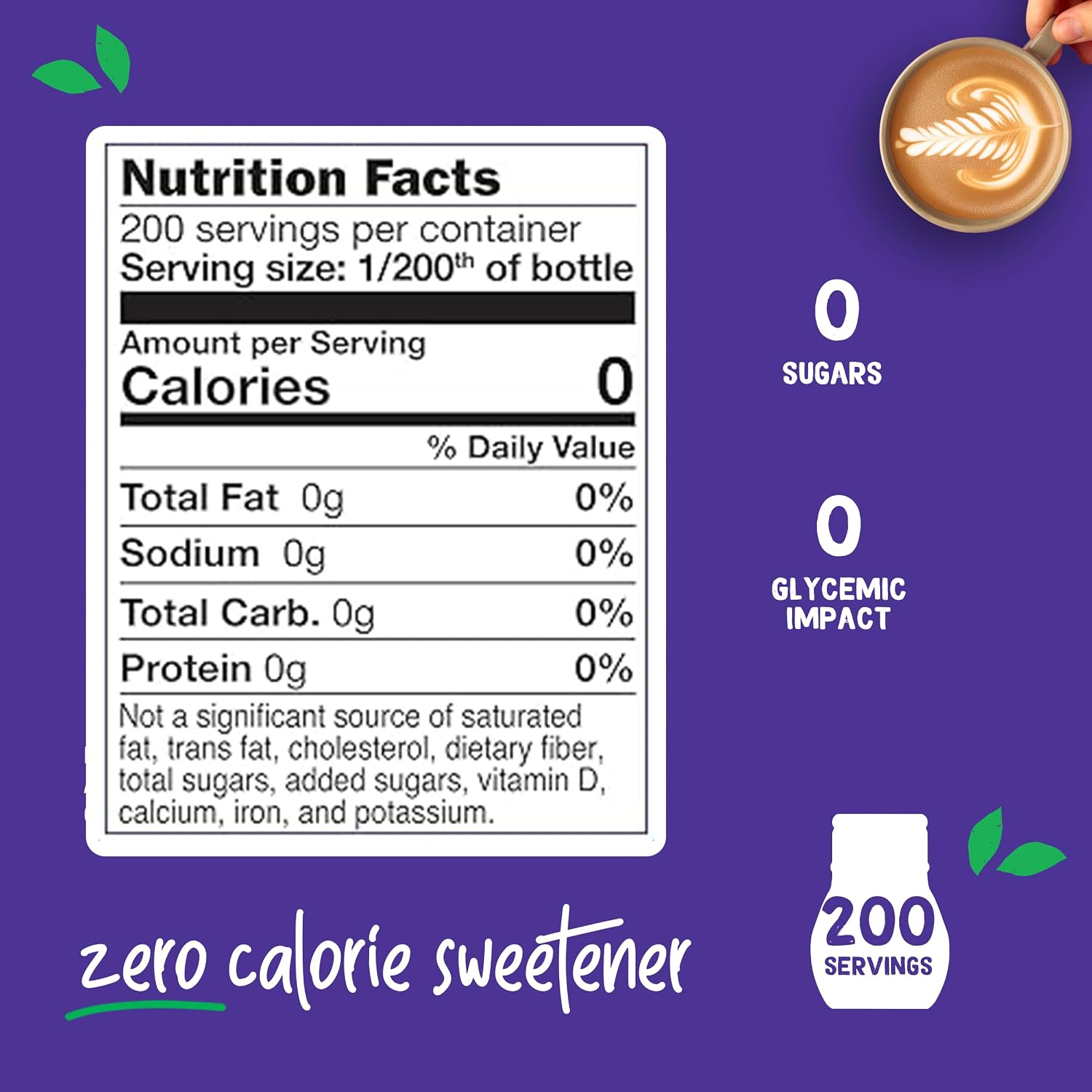
SweetLeaf Sweet Drops (~$10–$15 for 2 oz) uses a proprietary water extraction process and a Reb-A formulation that owners consistently describe as having a noticeably shorter, less intrusive finish than commodity Reb-A drops. Their vanilla flavor variant is one of the most-praised in the flavored category across buyer feedback — widely considered a benchmark at this price tier. The unflavored version is a strong pick for beverage formulators who want flexibility across multiple applications. This is the upgrade that makes sense once you’ve confirmed the format works for you and want a cleaner daily-use experience.
NuNaturals
$11.75
In stock on Amazon
Check price on AmazonPremium Pick: High-Potency Reb-M and Craft/Single-Origin
For buyers whose persistent friction is bitterness, or who are formulating for professional contexts, the premium tier splits into two meaningful sub-options:
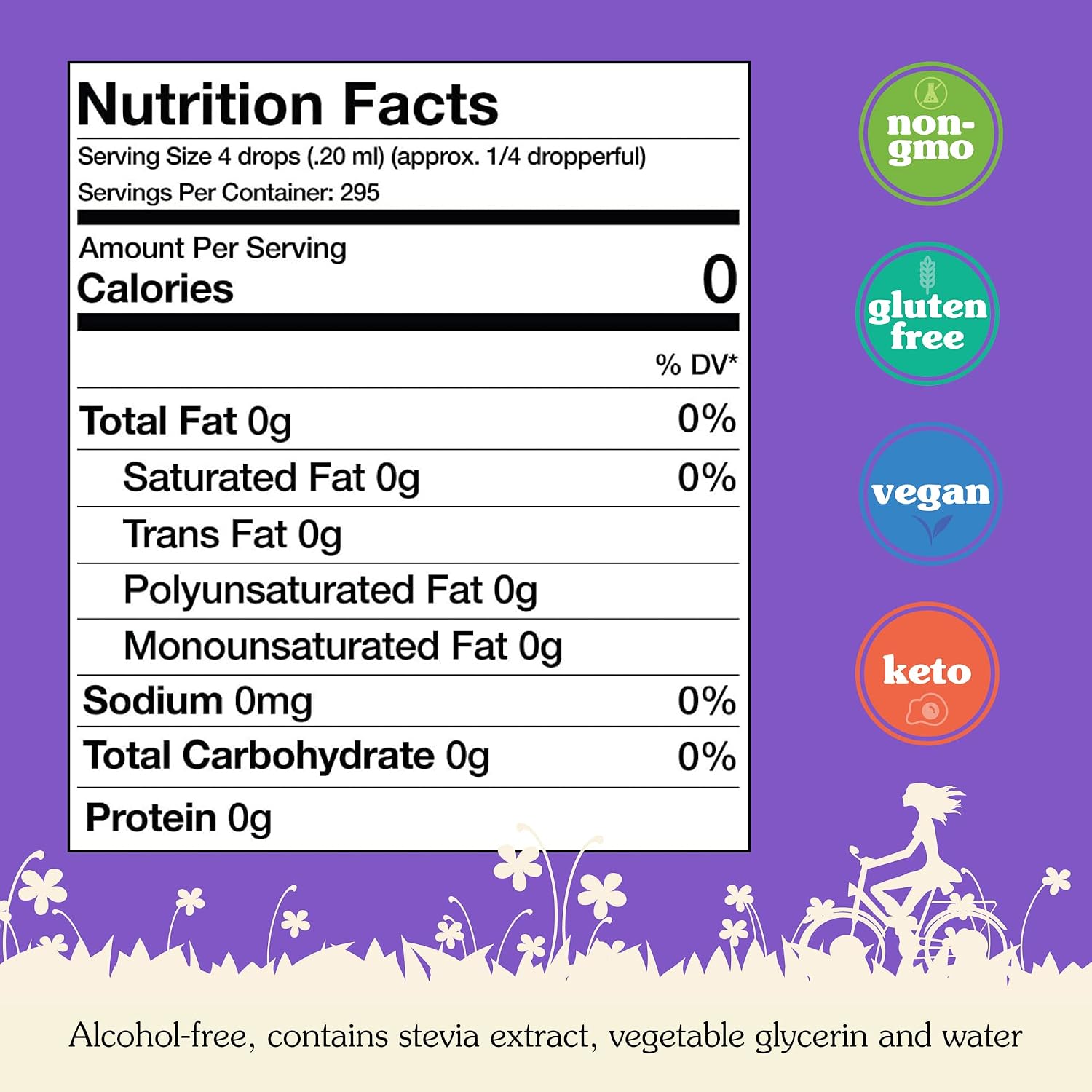
Pyure Organic Liquid Stevia Drops (~$12–$18) use a higher Reb-M inclusion ratio than most shelf-stable retail competitors. Owners in low-glycemic and keto communities consistently report substantially less bitterness, particularly in larger doses. The per-bottle cost is higher, but the per-serving cost is comparable or better than standard-potency options due to higher sweetness concentration. This is the tier upgrade most worth making if you’ve already confirmed Reb-A aftertaste is a real problem in your applications.
Omica Organics Stevia Drops (~$20–$30) represent the small-batch, certified-organic, documented-purity end of the market. Several integrative nutrition practitioners reference Omica specifically in professional contexts where ingredient provenance matters — functional beverage development, clinical dietary programs, and specialty food formulation. Glycerin-based carrier. Reviewers in the premium segment consistently cite it as their benchmark unflavored drop when sourcing standards are a requirement, not just a preference.
SweetLeaf
$20.99
In stock on Amazon
Check price on AmazonBy the Numbers
- Zero glycemic index for purified steviol glycosides, per Examine.com’s stevia compound entry and consistent with American Diabetes Association guidance in Standards of Care in Diabetes
- 200–350× sweeter than sucrose by weight — which is why potency differences between products translate directly into meaningful cost-per-serving math
- Reb-M produces approximately 30–40% less bitter aftertaste intensity than equivalent Reb-A concentrations in controlled taste panel studies, per the 2023 systematic review in Nutrition Journal (BioMed Central)
- $0.02–$0.08 per serving across mainstream retail drops; premium Reb-M and craft formats run $0.05–$0.15 per serving
- GRAS status for purified steviol glycosides has been stable since 2008, per Healthline’s stevia safety overview (Healthline, “Is Stevia Safe?”)
The Decision Framework: If X, Then Y
At this point you have enough signal to map your situation to a recommendation.
If you’re new to liquid drops and want to test the format before committing: Start with NOW Foods Better Stevia or SweetLeaf standard potency. Under $12, widely available, and within a week you’ll know whether you’re sensitive to Reb-A aftertaste. If you’re not bothered, stay there — the cost-per-use math is excellent. If you notice persistent bitterness, that’s your signal to move up the glycoside quality ladder.
If you’re a regular user and aftertaste is your persistent friction: Move to a Reb-M–forward formulation such as Pyure. The per-bottle cost is higher but community feedback on bitterness reduction is consistent, and the sweetness concentration keeps per-serving cost workable. This is the upgrade most worth making in the intermediate tier.
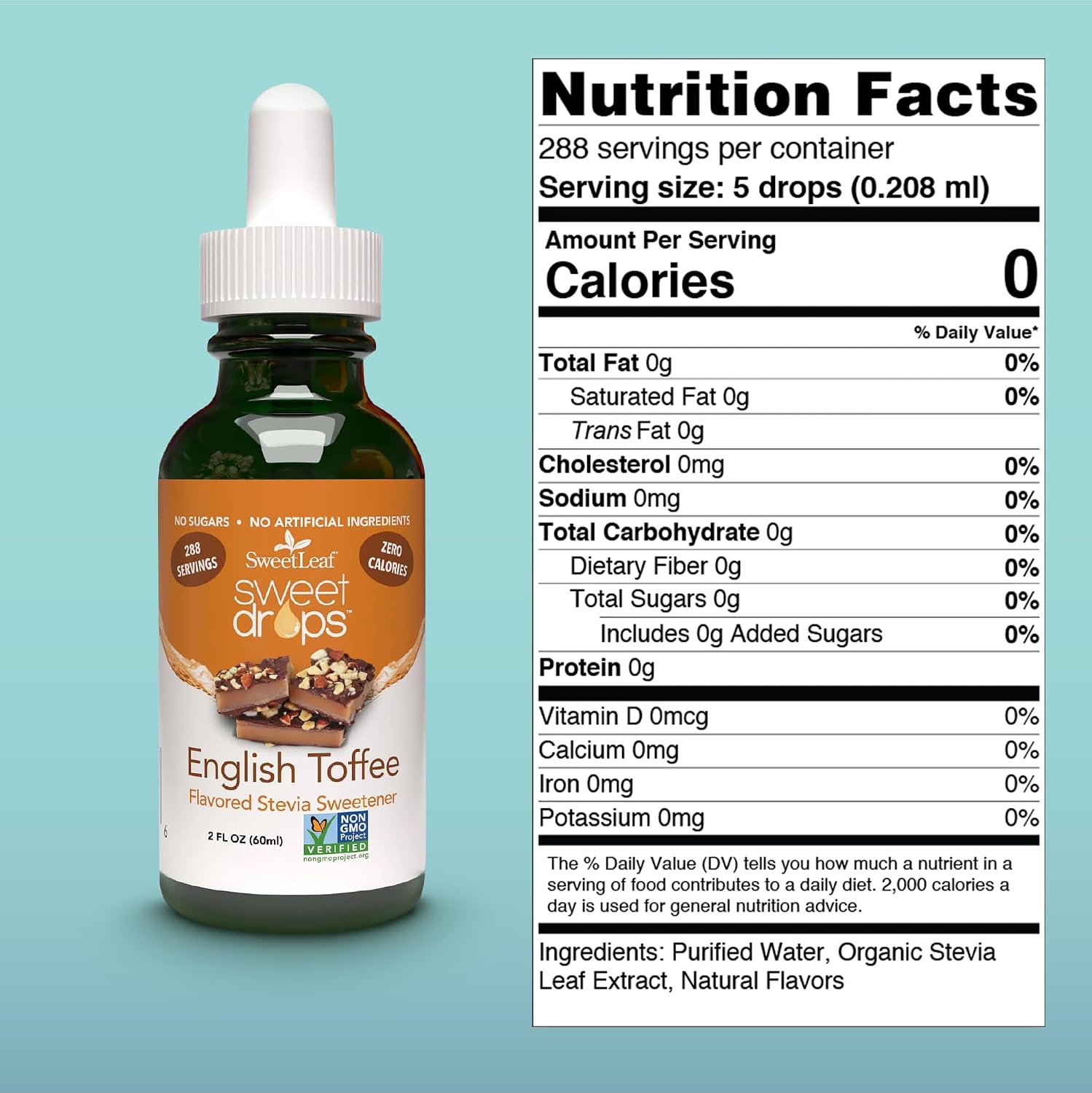
If you’re sweetening one consistent application where flavor pairing makes sense: A flavored drop — SweetLeaf vanilla is the community benchmark, but chocolate and English toffee variants from SweetLeaf also have strong track records — can simplify your stack and deliver a more enjoyable experience than chasing a perfect unflavored option.
If you’re formulating, doing clinical nutrition work, or sourcing for a product: Go single-origin, certified organic, with a documented Reb-A or Reb-M purity spec from the manufacturer. Omica is the most consistently referenced name at this tier in practitioner contexts. Expect to pay $20–$30 per bottle — but at professional application rates, the per-serving cost stays workable.
If your primary concern is glycemic control or diabetes management: All the options above carry zero glycemic index per established guidance. The American Diabetes Association’s position in its Standards of Care in Diabetes is consistent: purified steviol glycoside sweeteners are an appropriate sugar-reduction tool. The choice within this category should be driven by taste preference and cost sustainability rather than glycemic differentiation — they’re effectively equivalent on that axis.
The bottom line: stevia liquid drops are one of the most cost-effective, zero-glycemic sweetener formats available, but the quality range within the category is wider than most buyers realize. Glycoside composition drives aftertaste; potency drives cost-per-use; carrier liquid and sourcing standards drive everything else. Match those variables to your actual use case and the right bottle becomes obvious.