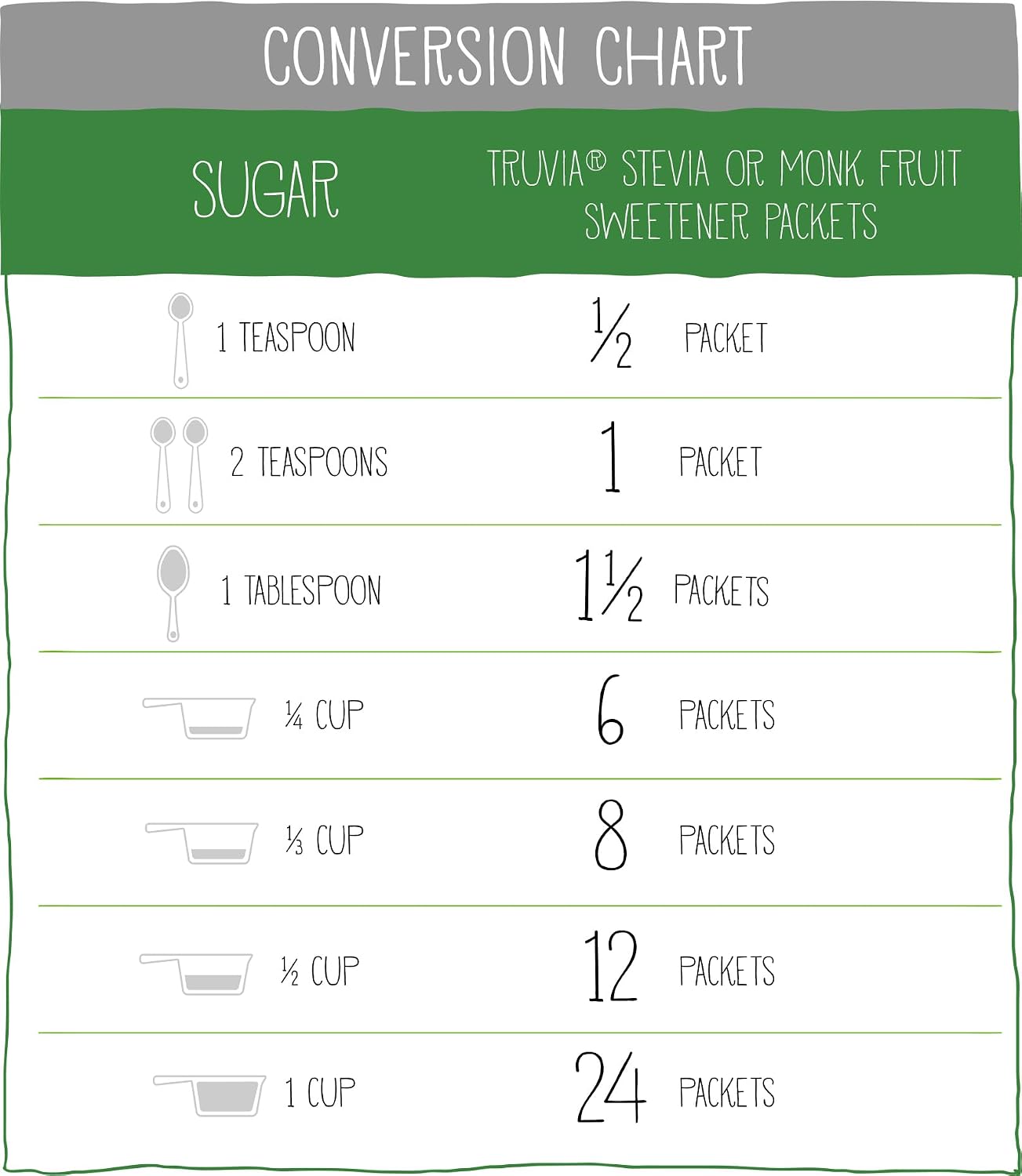
If you’ve ever grabbed a stevia packet from a hotel hospitality station or a natural-food café counter, you were almost certainly holding something that isn’t pure stevia at all. Stevia — the plant-derived, zero-calorie sweetener extracted from Stevia rebaudiana leaves — is intensely sweet at tiny quantities, which makes it impractical to portion into a single-serve packet on its own. So manufacturers bulk it out with a carrier. The most common carrier, by a wide margin, is erythritol (a sugar alcohol made through fermentation of glucose — it adds mild sweetness and volume without calories or a glycemic spike). The result is what most people recognize as a “stevia packet.” Understanding what’s actually inside that packet — and in what proportions — is the difference between a bulk buy that works and a case of 1,000 packets that underdelivers on taste, causes unexpected digestive complaints, or blows your per-unit budget.
This guide is for the person who’s past the “what even is stevia?” stage and is staring at a decision: which brand’s case to order, what fine print to check first, and whether the cheapest option per packet is actually the cheapest option for your use case.
| EDITOR'S PICK[Pyure Organic Stevia Packets](https://www.amazon.com/dp/B09FR34NPQ?tag=greenflower20-20) |… | Mid-tier[Pure Via Stevia Sweetener](https://www.amazon.com/dp/B007BIUB62?tag=greenflower20-20) 28.2o… | Budget pick[Stevia In The Raw Stevia Sweete](https://www.amazon.com/dp/B00F3SQJUY?tag=greenflower20-20)… | |
|---|---|---|---|
| Packet Count | — | 800 | 200 |
| Organic | ✓ | — | — |
| Erythritol-Free | — | — | ✓ |
| Keto Friendly | ✓ | — | — |
| Price | $44.99 | $23.74 | $11.12 |
| See on Amazon → | See on Amazon → | See on Amazon → |
Why the Carrier Ratio Is the Most Important Number on the Box
The steviol glycoside content (that’s the active sweet compound purified from stevia leaf — typically listed as “Reb A” or “rebaudioside A” on a spec sheet) is usually present at only 1–3% of total packet weight. The rest is filler. In virtually every mainstream retail packet, that filler is erythritol.
This matters for four interconnected reasons:
1. Sweetness intensity calibration. A 1g packet of a 97/3 erythritol-to-stevia blend will deliver a noticeably different sweetness ceiling than a packet from a brand using a 2:1 stevia-to-erythritol ratio by steviol concentration. Examine.com’s compound overview on stevia notes that rebaudioside A is approximately 200–400 times sweeter than sucrose by weight, so even small formulation shifts ripple into the consumer’s cup dramatically.
2. Erythritol’s own flavor signature. Erythritol has a well-documented cooling effect on the palate — a mild mint-like sensation that’s more pronounced when you consume multiple packets in quick succession. The Healthline overview of erythritol describes this cooling sensation as a consistent reviewer complaint at higher doses. For a single-serve office scenario, one packet may be fine; for a beverage formulator testing a multi-serve recipe, the cumulative cooling effect can compromise the flavor profile.
3. Gut-tolerance thresholds at scale. Unlike many sugar alcohols, erythritol is notably gentle — Nutrition Journal research published by BioMed Central found it well-tolerated at doses up to about 0.45g per kilogram of body weight in most adults. But that tolerance threshold becomes relevant the moment your office stocks the packets freely and high-consumption users are grabbing three or four per beverage across a workday. At the bulk-purchase tier, you’re implicitly making a gut-tolerance decision for an entire team, not just yourself.
4. Cost-per-packet math reality. Brands with a higher Reb A concentration can legitimately charge more per packet while delivering fewer packets per equivalent sweetness unit. A seemingly expensive 500-count case at $0.09/packet may outperform a 1,000-count case at $0.05/packet if the latter requires two packets to achieve the same sweetness. Show this math to anyone resisting a premium SKU — it nearly always closes the objection.
Reading the Label: Four Fine-Print Signals That Actually Matter
Signal 1: Steviol glycoside percentage on the Supplement/Nutrition Facts panel Look for the declared Reb A (or total steviol glycosides) percentage, typically noted in milligrams per serving. The American Diabetes Association’s guidance on nonnutritive sweeteners confirms that FDA-affirmed steviol glycoside extracts must meet a minimum 95% purity threshold for the extract itself — but brands are not required to standardize how much of that extract goes into a packet. Truvia’s classic green packet and Pure Via’s packets both declare ~3.5mg of stevia leaf extract per packet, while some specialty SKUs push 4–5mg. That 1–2mg gap is functionally meaningful.
Signal 2: Erythritol source and fermentation method This is largely invisible on retail labels, but it matters to the segment of your audience (or customer base) that cares about non-GMO certification or corn-derived feedstocks. Most mass-market erythritol is fermented from corn-derived glucose. Non-GMO Project Verified erythritol — used by brands like NOW Foods in their stevia blends and by Lakanto across their product line — commands a price premium that’s defensible to a wellness-oriented audience. Check for the Non-GMO Project Verified seal or a COA (certificate of analysis — a lab document confirming ingredient specifications) if you’re sourcing for a commercial application.
Signal 3: “Natural flavors” as a wildcard ingredient A surprising number of stevia-erythritol blend packets include “natural flavors” as a third ingredient. This is almost always a vanillin derivative intended to soften stevia’s characteristic bitter-green back-note. For most users, this is a feature. For a beverage formulator or an allergen-conscious buyer, it’s a variable you want to understand before it shows up unexpectedly in a finished product spec. MedicalNewsToday’s overview of monk fruit sweetener notes a parallel issue in that category — flavoring additives often account for a larger portion of packet weight than the primary sweetener itself.
Signal 4: Packet weight declared vs. implied Most single-serve stevia packets fall in the 0.9g–1.1g range. Some economy brands fill to 0.8g. It sounds trivial, but if you’re purchasing 5,000 packets for an office pantry program, a 15% weight reduction per packet is a 15% reduction in the sweetness capacity you’re actually buying. Always check the declared net weight per packet in the nutrition facts, not just the count on the box.
By the Numbers: Comparing Common Bulk Stevia Packet Tiers
| Brand / SKU | Steviol glycosides per packet | Est. price per packet (bulk case, May 2026) | Erythritol source noted |
|---|---|---|---|
| Truvia Original (1,000-ct case) | ~3.5mg Reb A | ~$0.05–$0.06 | Corn-derived, non-GMO certified |
| Pure Via (1,000-ct case) | ~3.5mg Reb A | ~$0.05–$0.07 | Corn-derived |
| NOW Foods Better Stevia packets (500-ct) | ~4mg Reb A | ~$0.08–$0.10 | Non-GMO corn, USDA Organic option |
| Lakanto Classic Monkfruit + Erythritol packets (400-ct) | Monk fruit glycosides + erythritol blend | ~$0.12–$0.15 | Non-GMO certified |
| Anthony’s Goods bulk erythritol + stevia DIY blend | Variable (self-blended) | ~$0.03–$0.04 at scale | Non-GMO, lab-tested COA available |
Prices are estimates based on retailer aggregation as of May 2026 and fluctuate with supply chain conditions. The Anthony’s Goods DIY route requires your own portion packets or bulk dispensers.
The Erythritol Debate You Should Know About Before Recommending at Scale
In early 2023, a Cleveland Clinic study published in Nature Medicine generated significant consumer concern by associating elevated plasma erythritol levels with cardiovascular risk markers. It’s worth addressing directly, because anyone buying bulk stevia-erythritol packets for a wellness-oriented workplace or commercial application is going to encounter this question.
The critical methodological detail, flagged by multiple researchers in subsequent commentary (including analysis synthesized by Examine.com in their updated stevia and erythritol compound pages), is that the study measured endogenous erythritol production in fasting blood — not dietary erythritol intake from sweeteners. The body produces erythritol naturally as a byproduct of glucose metabolism, and elevated fasting erythritol may reflect metabolic dysfunction rather than dietary intake. That doesn’t make the question settled science; it means the evidence is contested and evolving.
The American Diabetes Association’s position on nonnutritive sweeteners continues to support erythritol-containing products as appropriate for blood sugar management, with the caveat that long-term cardiovascular data at population scale is still accumulating. For your bulk-buying decision: the practical risk at single-packet doses (roughly 0.8–1g erythritol per packet) is considered negligible by current consensus, but it’s honest to flag the open question to a health-conscious client or institutional buyer rather than dismissing it.
On-the-Go and Office Deployment: Practical Format Decisions
The “on-the-go” use case sounds simple but actually splits into three distinct formats with different trade-off profiles:
Individual foil packets — best for hospitality, conference room service, or travel. Shelf-stable, moisture-resistant, consistent per-serve dosing. Highest per-unit cost. Truvia and Pure Via dominate this format because their supply chains are built for it.
Canister/shaker portables — brands like Lakanto and NOW Foods offer travel-sized canisters. Lower per-gram cost than individual packets, better for heavy individual users. Requires a scoop or shake dispense, which is fine at a desk but awkward in a car or at a restaurant table. The portion-consistency issue is real: owners across aggregated reviews consistently note that the scoop delivers a slightly variable dose until you develop the muscle memory.
DIY bulk + portion packets — the Anthony’s Goods route, or any bulk erythritol + high-potency liquid stevia drops (brands like SweetLeaf offer liquid drops with no carrier filler). This is the lowest cost-per-sweetness-unit option and gives you complete formulation control. The trade-off is operational friction — you’re now running a mini supply chain. For a commercial kitchen or a beverage formulator, that friction is worth it. For a 20-person office pantry, probably not.
If X, Then Y: Decision Rules for Your Specific Situation
If you’re buying for a mixed office population with unknown sweetener tolerance: Start with Truvia or Pure Via 1,000-count cases. The erythritol load per packet is low enough that gut-tolerance issues are rare at normal consumption, and the per-unit cost keeps procurement simple. You’re optimizing for frictionlessness, not perfection.
If your users are explicitly keto, diabetic, or glycemic-index-sensitive and want the cleanest label: Step up to NOW Foods Better Stevia (Non-GMO, higher Reb A dose) or Lakanto packets if monk fruit matters to the audience. Expect to pay 50–100% more per packet, which is the honest trade-off.
If you’re a beverage formulator or artisan baker sourcing for a commercial recipe: The packet format is the wrong unit of measure. Price your erythritol and stevia extract separately in bulk (Anthony’s Goods bulk erythritol + SweetLeaf liquid stevia drops is a well-regarded combination in formulator communities), build your own blend ratios, and generate your own internal COA. The per-packet formats are consumer convenience products, not precision formulation inputs.
If the Cleveland Clinic erythritol question is a blocker for your buyer: Consider a monk fruit–only packet (Lakanto has a pure monk fruit option in limited retail formats, though availability is inconsistent as of May 2026) or a pure stevia extract packet with a different carrier — inulin-based carriers exist in specialty wellness SKUs, though they add a prebiotic fiber variable of their own.
The fine print on a stevia packet is genuinely fine — easy to miss, expensive to ignore after you’ve committed to a case. Read the declared steviol glycoside milligrams, check the erythritol source if it matters to your audience, account for the cooling effect at volume, and run the per-sweetness-unit math before letting the headline price-per-packet win the decision.