If you’ve ever stirred a stevia-sweetened drink, taken a sip, and thought something tastes off — almost like a mild bitterness that lingers at the back of your tongue — you’re not imagining it. Stevia is a plant-based sweetener extracted from the leaves of Stevia rebaudiana, and it contains compounds called steviol glycosides (essentially the molecules responsible for the sweet flavor). The problem is that some of those glycosides also carry a distinctly bitter, sometimes licorice-like aftertaste that can make or break your experience with the product. This article breaks down why that aftertaste happens, which brands manage it well, which ones don’t, and how to use that information to make a smarter purchase — whether you’re stocking a home pantry or sourcing for small-batch food production.
The bitter aftertaste isn’t a defect, exactly — it’s chemistry. But it’s also not inevitable. How a stevia product is processed, blended, and formulated determines how much of that flavor you’ll actually notice. If you’ve tried one stevia brand and hated it, there’s a real chance a different product would work for you. Here’s the map.
Why Stevia Tastes Bitter: The Glycoside Breakdown
Stevia leaves contain a family of sweetening compounds — the steviol glycosides — but they’re not all created equal in flavor. The most abundant one in most commercial products is called stevioside, and it’s the primary culprit behind bitterness and the characteristic “licorice” finish. A second compound, Rebaudioside A (often abbreviated Reb A on labels), is sweeter and significantly cleaner in flavor. A third, Rebaudioside M (Reb M), is even cleaner — sometimes described as nearly indistinguishable from sugar in short sip tests — but it’s expensive to produce in meaningful quantities.
Per Healthline’s overview of stevia, the bitterness is most pronounced in products with high stevioside content and least noticeable in high-Reb-A or Reb-M formulations. The Flavor and Fragrance Journal’s 2023 analysis of bitterness masking in steviol glycoside formulations found that perception thresholds for stevioside bitterness kick in at relatively low concentrations — meaning small formulation differences have outsized sensory impact.
This is why label reading matters more with stevia than with almost any other sweetener category. “Stevia extract” on a label tells you almost nothing about the experience. You need to know:
- Which glycoside is primary (Reb A, Reb M, or stevioside-dominant?)
- What it’s blended with (erythritol, inulin, or nothing?)
- The purity/percentage if listed
Most brands don’t make this easy. Here’s what aggregated consumer feedback and published sensory data says about the major players.
Brand-by-Brand Aftertaste Index: What Reviewers Consistently Report
Truvia (Cargill / Coca-Cola Joint Venture)
Truvia is the category’s volume leader — the brand most likely to appear on a grocery shelf at the $5–$12 price point. Its primary sweetening compound is Reb A, blended with erythritol (a sugar alcohol that contributes a mild cooling sensation) and natural flavors. The erythritol blend is actually doing significant work here: erythritol’s own sweetness dilutes and softens the stevioside load, and the natural flavors help round the finish.
Consumer Reports’ sugar substitute taste test noted that Truvia received mixed feedback — acceptable in stirred applications, but the erythritol cooling effect was noticeable and sometimes described as “almost minty” in concentrated uses. Reviewers on grocery-tier platforms consistently rate Truvia as “better than expected” for casual use but report the aftertaste becomes more detectable in baked goods or extended-heat applications.
Aftertaste profile: Moderate — the erythritol masks some bitterness but introduces its own signature. Low-to-moderate bitter linger.
Pure Via (Pepsico / Whole Earth Brands)
Pure Via uses a Reb A–primary formulation, typically blended with dextrose (plain glucose) as a bulking agent rather than erythritol. This formulation choice is interesting because dextrose doesn’t add a cooling sensation, but it does add a small amount of actual sugar, which gives the product a fractionally higher glycemic contribution than Truvia. For strict keto or diabetic users, this is worth noting. Examine.com’s stevia compound summary flags that glycemic response varies significantly based on bulking agent choices in blended products.
Flavor-wise, reviewers consistently describe Pure Via as “lighter” and “less cooling” than Truvia, which some prefer. The bitter aftertaste, however, is described as slightly more forward in some formulations — the absence of erythritol’s masking effect means the Reb A character is less buffered.
Aftertaste profile: Mild-to-moderate bitter, more “herbal” finish, minimal cooling.
NOW Foods Organic Stevia (Liquid Drops)
NOW Foods produces both a powder extract and a popular liquid dropper format. The liquid concentrate is typically higher-purity Reb A with a glycerin (vegetable glycerol) base rather than a bulking powder blend. This format skips the erythritol and sugar alcohol question entirely — you’re getting relatively pure glycoside dissolved in glycerin.
Reviewers who migrate from powder stevia to liquid drops consistently report this transition as a genuine upgrade in control: you dose by the drop, so you can stay below your personal bitterness threshold. The trade-off is that the bitter note, when present, is described as more “clean” and botanical rather than the cloying metallic edge that some powder blends produce. For beverage applications and liquid-format recipes, this is consistently the pick.
Aftertaste profile: Low-to-moderate; bitterness is present but described as “cleaner” and easier to dial in by controlling dose. One of the better entry-level options for aftertaste-sensitive users.
Lakanto Classic / Golden (Monk Fruit + Erythritol Blend, Stevia-Adjacent)
Technically, Lakanto’s primary products use monk fruit (luo han guo) rather than stevia — but they belong in this conversation because they occupy the same purchase decision for most buyers. Monk fruit extract does not carry the stevioside bitterness pathway; its sweetness comes from mogrosides, which have a distinct but much less polarizing aftertaste. Community feedback across keto and diabetic forums consistently positions Lakanto as the cleaner-tasting alternative for people who’ve been burned by stevia’s bitterness. The American Diabetes Association’s guidance on sweeteners notes that both stevia and monk fruit are considered non-nutritive sweeteners with negligible glycemic impact, making the choice largely a taste and cost decision.
Price note: Lakanto runs $12–$20 for a standard retail bag, compared to $6–$12 for Truvia equivalents. The premium is real and it’s almost entirely a flavor upgrade.
Aftertaste profile: Mild, with a faint “fruity” or “caramel-adjacent” finish (monk fruit, not stevia bitterness). Recommended comparison benchmark if stevia aftertaste is your primary pain point.
SweetLeaf Stevia (Wisdom Natural Brands)
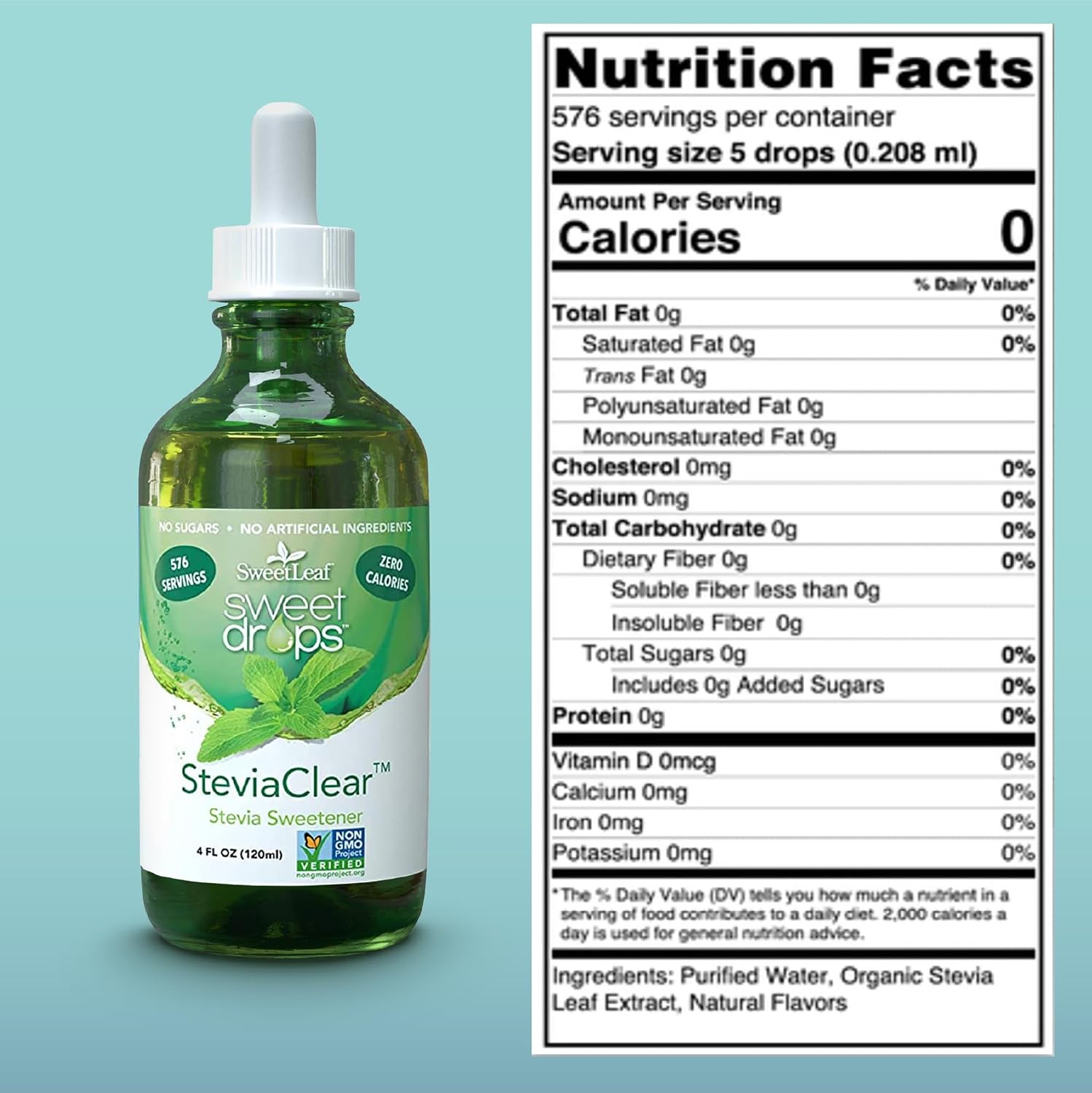
SweetLeaf is often cited in natural-foods circles as a higher-quality stevia option at the accessible price tier. Their powdered extract is Reb A–primary, but the brand’s extraction approach and avoidance of certain bulking agents gets consistent praise from reviewers who describe the finish as “less chemical” and “more vanilla-adjacent.” Purdue University’s sensory evaluation work on high-intensity sweeteners notes that stevia products with a vanilla character tend to receive better hedonic scores in blind tastings — this may be partly why SweetLeaf’s unflavored versions still trend toward a lighter finish.
SweetLeaf also produces a flavored stevia line (vanilla, lemon, etc.) that uses natural flavors to mask the glycoside bitterness more aggressively — these perform even better in aftertaste tests but limit versatility.
Aftertaste profile: Mild-to-moderate; often described as cleaner than Truvia within the same Reb A class. A reasonable upgrade at a modest price premium.
Pyure Organic Stevia
Pyure uses a Reb A + erythritol blend similar to Truvia’s structure, but it’s certified organic and often positioned at the Whole Foods / natural grocery tier at a slight premium. Reviewers describe the experience as “very close to Truvia” in overall profile, with the same erythritol cooling note. For buyers who prioritize organic certification and can live with the cooling sensation, Pyure is a lateral move from Truvia.
Aftertaste profile: Moderate — essentially comparable to Truvia; erythritol cooling is present.
By the Numbers: Aftertaste Severity Index (Based on Aggregated Review Patterns)
| Brand | Primary Glycoside | Bulking Agent | Aftertaste Intensity (1–5, 5 = most bitter) | Cooling Effect |
|---|---|---|---|---|
| Truvia | Reb A | Erythritol | 2.5 | Moderate |
| Pure Via | Reb A | Dextrose | 3.0 | None |
| NOW Liquid Drops | Reb A (high purity) | Glycerin | 2.0 | None |
| SweetLeaf | Reb A | Inulin/none | 2.0 | Minimal |
| Pyure Organic | Reb A | Erythritol | 2.5 | Moderate |
| Lakanto (monk fruit) | Mogrosides | Erythritol | 1.5 | Mild |
Ratings synthesized from Consumer Reports taste test data, aggregated grocery-platform review patterns, and published sensory evaluation literature. Not a clinical measurement.
The Formulation Variables You Can Actually Control
If you’re sourcing stevia for a formulation — baked goods, beverages, small-batch confections — the brand-level comparison above only gets you partway. Here’s the practical decision frame:
Concentration matters more than brand. The bitterness threshold for Reb A is non-linear — a small overshoot produces a disproportionate spike in perceived bitterness. Working below 0.2% by weight in most beverage applications keeps most reviewers in acceptable territory, per sensory data cited in the Flavor and Fragrance Journal’s 2023 bitterness analysis.
Heat changes the profile. Extended baking (above 300°F for more than 30 minutes) can increase perceived bitterness in stevia-containing formulations. This is one reason erythritol-blended stevia products often perform worse in baked goods relative to beverages.
Fat and acid mask bitterness. Formulations with meaningful fat content (dairy, coconut, nut-based) or added acid (citrus, fermented bases) consistently receive better aftertaste scores in review aggregation. If you’re baking or blending, this is a lever.
Blending with monk fruit is the practitioner’s standard move. Many small-batch producers combine a Reb A stevia extract with monk fruit at a ratio somewhere around 70/30 or 60/40 to get the sweetness intensity of stevia with the cleaner finish of monk fruit. Brands like Lakanto and some Anthony’s Goods blends are built on this logic.
The Decision Rule
Here’s the clean if-then frame for where you are right now:
- If you’re new to stevia and haven’t found a brand you like yet: Start with NOW Foods Liquid Drops or SweetLeaf. Control your dose carefully — bitterness is dose-sensitive.
- If erythritol’s cooling sensation bothers you: Skip Truvia and Pyure. Go with Pure Via or a liquid-format option.
- If you’re formulating for baked goods at any volume: Assume stevia alone will disappoint. Budget for a stevia/monk fruit blend or plan to test fat-content masking.
- If stevia bitterness is a dealbreaker and you have budget flexibility: Lakanto’s monk fruit blends are the lateral move that most consistently satisfies people who’ve been burned by stevia. Yes, it’s pricier — but at $15–$20 a bag, it’s not a dramatic upgrade cost.
- If you’re sourcing bulk for a commercial application: Reb M is the glycoside you want — the cleanest flavor of the class — but expect significant per-unit cost increases and limited supplier availability at this price point (May 2026 market conditions).
The bitter aftertaste problem is solvable. The brands above give you enough variation to find a fit — or enough data to blend your way out.