If you’ve been told to “just use a low-glycemic sweetener” and found yourself staring at a wall of packets — stevia, monk fruit, erythritol, allulose — with no clear map, this guide is for you. The glycemic index (GI) is a scale from 0 to 100 that measures how quickly a food raises blood sugar compared to pure glucose (which scores 100). A GI of 55 or below is considered “low,” and anything near zero is essentially a non-event for blood sugar. For someone managing diabetes or prediabetes, choosing the right sweetener isn’t just a wellness preference — it’s a functional decision that touches medication calibration, long-term A1C trends, and daily quality of life. This article breaks down what the GI numbers actually mean in practice, where they get misused in marketing, and which specific products in today’s market have the data to back up their low-GI claims.
After the on-ramp, the picture gets more nuanced — and more useful.
Why “Zero GI” Doesn’t Always Mean Zero Blood Sugar Impact
The GI number on its own is an incomplete signal. Here’s where practitioners get burned: a sweetener can carry a GI of zero yet still affect insulin response, gut fermentation, or downstream appetite regulation. These are distinct mechanisms, and conflating them is the most common error in diabetic sweetener selection.
Take erythritol, the sugar alcohol in products like Swerve Confectioners and Truvia’s baking blend. Its GI is effectively zero because roughly 90% of it is absorbed in the small intestine and excreted unchanged in urine — it never meaningfully enters glucose metabolism. The American Diabetes Association’s 2025 Standards of Care confirm sugar alcohols like erythritol produce a lower glycemic response than sucrose, but they note that “individual responses can vary, and total carbohydrate intake remains the primary management lever.” Translation: zero GI is real, but it isn’t a blank check.
Contrast that with maltitol, another sugar alcohol found in many “sugar-free” candy products. Its GI lands around 35–52 depending on the source and food matrix — genuinely lower than sucrose (GI ~65), but high enough to meaningfully raise blood glucose in insulin-sensitive individuals. This is the marketing trap: “sugar-free” products can legally contain maltitol and present themselves as diabetic-friendly while quietly delivering a half-dose of glycemic load. Practitioners who work with clients in carbohydrate-counting frameworks need to read the full ingredient deck, not just the front panel.
The practical rule: For strict glycemic management, prioritize sweeteners where the GI is near zero because the molecule bypasses glucose metabolism entirely (erythritol, allulose, stevia glycosides, monk fruit extract) — not just because it’s lower than sucrose.
The Tier Breakdown: Which Sweeteners Have Actual Clinical Support
Tier 1 — Zero-GI, Mechanistically Clean
These are the sweeteners with the strongest data for blood sugar neutrality:
Stevia (rebaudioside-A extracts): Derived from the Stevia rebaudiana leaf, steviol glycosides (the active compounds) are not metabolized for energy and don’t raise blood glucose. The NCBI-indexed study by Tey et al. published in the International Journal of Obesity (2017) tested stevia-sweetened beverages against sucrose in a controlled postprandial (after-meal) glucose trial and found no significant elevation in blood glucose or insulin. At the grocery tier, Pure Via and Truvia’s stevia-only packets represent the accessible entry point ($5–$12 for 80–140 count). For practitioners seeking higher stevioside purity with verified sourcing, single-origin extracts from brands like NOW Foods Organic Stevia or small-batch suppliers in the herbalsweetener.com craft directory offer higher rebaudioside-A concentrations and cleaner aftertaste profiles.
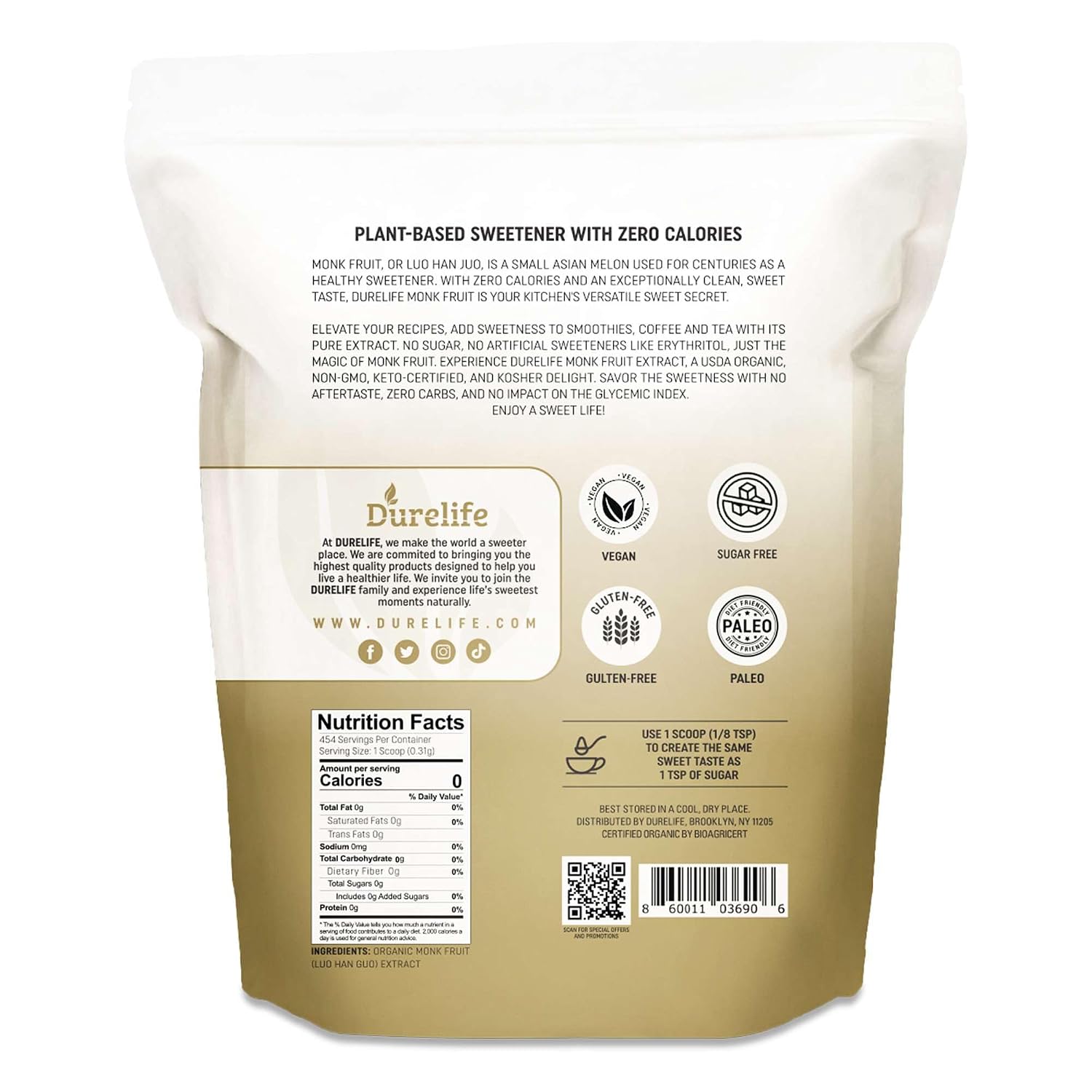
Monk Fruit (luo han guo, mogroside V): Monk fruit extract contains mogrosides — compounds roughly 150–250× sweeter than sucrose — that are similarly non-metabolized. MedicalNewsToday’s 2023 reviewed overview confirms monk fruit has a GI of zero and produces no insulin spike in clinical observation. The limitation is price: pure monk fruit liquid extracts or Lakanto Golden (a monk fruit + erythritol blend at the $20–$35 range) cost significantly more per gram of sweetness than stevia. Lakanto Golden specifically replicates the mineral depth of brown sugar, which matters for recipe performance — something reviewers consistently note when using it in baked goods or warm grain dishes.
Allulose: Technically a rare sugar (a monosaccharide), allulose has a GI of approximately 0–1. It’s metabolized differently from glucose: about 70% is absorbed but then excreted via urine without being converted to energy. Examine.com’s 2024 compound summary notes allulose may actually reduce postprandial blood glucose when co-ingested with carbohydrates — a functionally useful property. Healthline’s reviewed overview confirms this mechanism and notes FDA approval for allulose to be excluded from “added sugars” labeling. The trade-off: allulose is the most expensive option in this tier. Anthony’s Goods bulk allulose (typically $20–$35 for 2–3 lbs) offers the best cost-per-serving math for regular bakers, while Wholesome Allulose is widely available at the $18–$28 range.
By the Numbers: GI Comparison of Key Sweeteners
| Sweetener | Approximate GI | Primary Mechanism | Typical Price Tier |
|---|---|---|---|
| Sucrose (table sugar) | 65 | Glucose + fructose metabolism | — |
| Maltitol | 35–52 | Partial glucose metabolism | Budget blends |
| Erythritol | ~0 | Absorbed, excreted unchanged | $8–$25 |
| Stevia extract | ~0 | Not metabolized | $5–$40+ |
| Monk fruit extract | ~0 | Not metabolized | $12–$50+ |
| Allulose | ~0–1 | Absorbed, excreted; may blunt glucose | $18–$45 |
Sources: American Diabetes Association Standards of Care 2025; Examine.com allulose summary 2024; Healthline glycemic index overview 2023.
Where Marketing Runs Ahead of the Science
This is where practitioners operating in the $50–$150+ specialty segment need calibrated skepticism.
“Herbal” and “adaptogenic” sweetener blends are proliferating in 2026 — formats combining stevia or monk fruit with ashwagandha, maca, or tulsi are genuine products with real audiences, but the functional claims often outrun available evidence. The base sweeteners (stevia, monk fruit) have solid GI data. The adaptogenic additions are often dosed too low per serving to produce meaningful clinical effect. That’s not necessarily a dealbreaker — flavor and ritual value are real — but practitioners advising diabetic clients should not assume the “adaptogenic” positioning adds glycemic benefit beyond what the base sweetener already delivers.
Yacon syrup deserves its own note. Yacon (Smallanthus sonchifolius) root syrup is marketed as low-GI due to its fructooligosaccharide (FOS) content — prebiotic fibers that resist digestion. The GI is estimated around 1 by several sources. However, the NutritionJ BioMed Central work by Sievenpiper et al. on fructose metabolism is a relevant caution: high fructose intake over time carries hepatic (liver-processing) implications, and yacon syrup does contain free fructose in addition to FOS. For occasional use as a specialty flavor component, yacon is a defensible choice. For daily high-volume diabetic use, the data is thinner than monk fruit or erythritol, and practitioners should flag this transparently.
“Keto-certified” blends combining erythritol with inulin fiber or chicory root extract are common at the $20–$50 tier. These are generally sound for glycemic management — inulin is a prebiotic fiber with near-zero GI — but gas and GI discomfort are genuinely reported by a meaningful subset of users at higher doses. Aggregated reviews of products like Swerve Confectioners and similar blends consistently surface this as the primary quality-of-life trade-off, especially for baking applications where larger quantities are used.
Aftertaste, Functionality, and Real-World Selection Criteria
For practitioners advising clients who will actually use these products daily, GI data is necessary but not sufficient. Here’s the functional matrix:
Aftertaste: Stevia’s characteristic licorice or slightly bitter finish (driven by lower-grade rebaudiosides like rebaudioside C vs. higher-purity rebaudioside-A or M) is the most common adherence barrier in community feedback. Products standardized to >95% rebaudioside-A — which several premium and single-origin brands specify on their label — show meaningfully cleaner aftertaste profiles in consumer reporting. Monk fruit blends with erythritol (Lakanto, for instance) consistently receive better aftertaste reviews than pure stevia for new users.
Browning and baking behavior: Allulose browns and caramelizes unlike erythritol (which doesn’t brown at all and can recrystallize when cooled). Craft bakers and beverage formulators working in the prosumer tier consistently cite allulose as the closest functional analog to sucrose in baked applications. Anthony’s Goods bulk allulose and similar formats are standard reference points in this community.
Solubility: Erythritol has lower solubility than sucrose and can produce a cooling mouthfeel (a mild minty sensation) in high concentrations, which shows up regularly in no-bake dessert and cold beverage applications. Allulose dissolves more like sucrose. For liquid applications — syrups, drinks, cold-process desserts — allulose or liquid monk fruit extracts typically outperform erythritol-heavy blends on texture.
The Decision Rule: If X, Then Y
You’re past the orientation phase. Here’s the explicit framework:
If your primary concern is strict blood glucose neutrality for an insulin-dependent diabetic client, then erythritol, pure stevia extract (rebaudioside-A standardized), or monk fruit extract are your cleanest options — all three have the mechanistic and clinical data to support near-zero glycemic impact.
If your client is baking regularly and needs sucrose-like functionality (browning, texture, cold-liquid solubility), then allulose is the strongest performer on function + GI data combined. Accept the price premium; the cost-per-use math favors bulk formats like Anthony’s Goods for anyone baking more than a few times per month.
If you’re evaluating specialty/craft blends with adaptogenic additions, then the GI benefit lives in the base sweetener — not the adaptogens. Evaluate it on base-sweetener quality and flavor profile; don’t weight the functional extras heavily without dose-level scrutiny.
If a product leads with “sugar-free” rather than specifying which sweetener and its GI, then treat it as unverified until you’ve confirmed it isn’t maltitol-heavy. This is the single most common labeling gap in the budget tier.
If your client reports GI discomfort or bloating with current sweetener use, then investigate erythritol-to-fiber ratios in blends — inulin and chicory root are the most common culprits at higher doses, and a straight erythritol or allulose product often resolves the issue without sacrificing glycemic performance.
The GI number is a useful starting signal, not a final answer. The sweeteners that consistently earn trust across diabetic communities — and across the clinical data the American Diabetes Association and peer-reviewed research have produced through 2025 — are the ones where the mechanism, not just the marketing, explains the low number.