If you’ve ever stirred a spoonful of granular sweetener into a cold sauce and ended up with gritty flecks floating at the bottom, you already understand the core problem this article solves. Allulose (pronounced “a-LOO-lose”) is a naturally occurring rare sugar found in tiny amounts in figs and raisins. It tastes remarkably close to table sugar, contributes almost zero usable calories — approximately 0.2–0.4 kcal per gram versus sugar’s 4 kcal — and does not spike blood glucose. Research published in Nutrition Journal (BioMed Central) by Hossain et al. confirmed minimal glycemic and insulinemic impact in human subjects, and the American Diabetes Association’s consumer sweetener guidance on diabetes.org includes allulose among recognized low-glycemic options appropriate for blood sugar management.
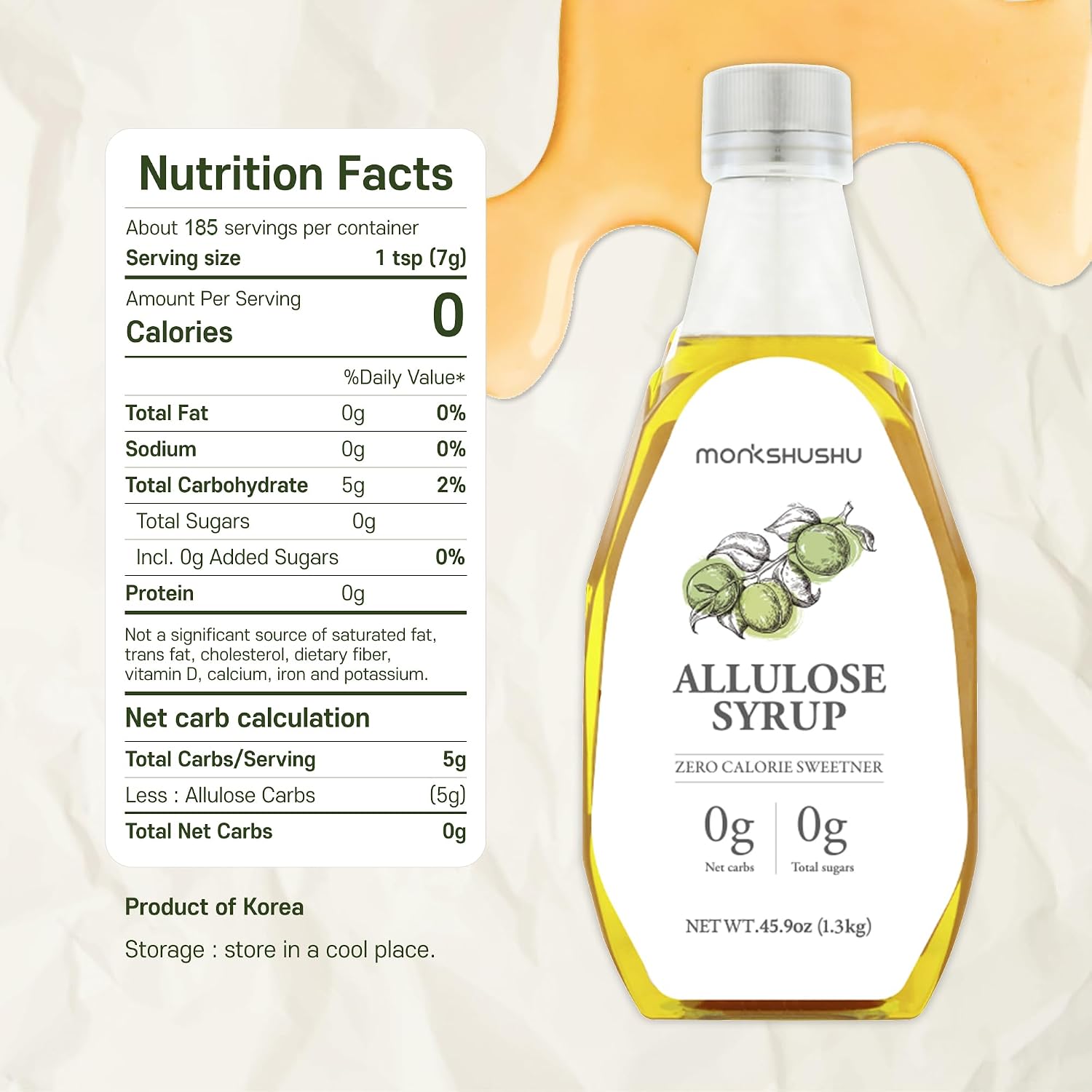
Allulose comes in two main physical formats: granular (dry crystals, like regular sugar) and syrup (liquid concentrate, typically 30–50% allulose dissolved in water). Both forms are chemically identical; the difference is purely physical. But that physical difference creates real-world performance gaps that matter enormously depending on what you’re making — and picking the wrong form can ruin a recipe or inflate your cost per use without any functional benefit.
This guide is for people who already know what allulose is and are now deciding which format to buy for a specific application. We’ll work through solubility, browning behavior, cost math, and shelf dynamics so you can make that call with confidence.
Why the Format Decision Isn’t Trivial
Granular allulose behaves like sugar structurally but has important limitations that the syrup form sidesteps — and vice versa. The trade-offs are real on both sides, so the answer genuinely depends on your use case rather than one format simply being “better.”
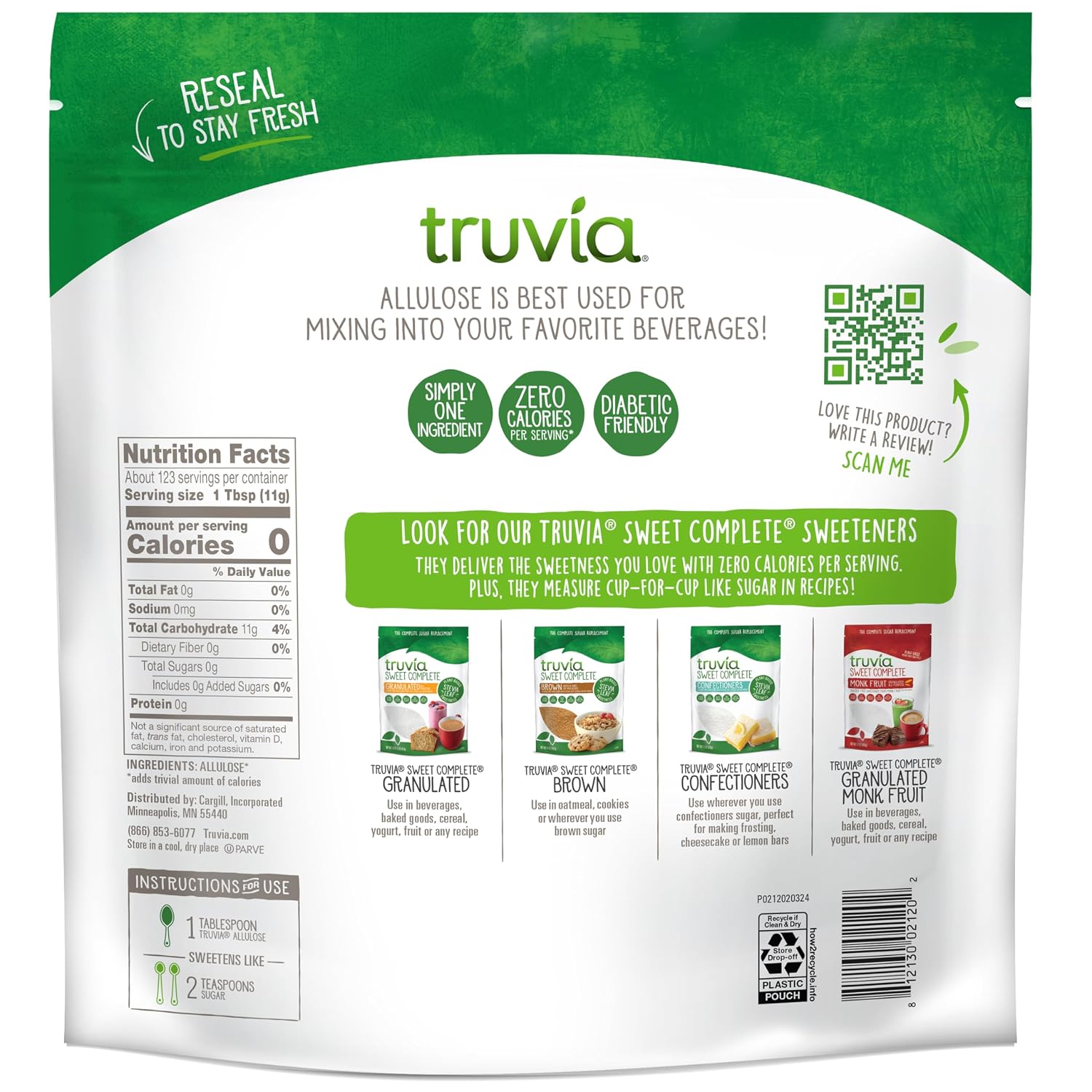
Granular allulose is more widely available, easier to measure by volume, and generally cheaper per gram of active allulose. It disperses well in hot applications and in dry batters. The problem surfaces in cold or high-water environments: granular allulose dissolves more slowly than table sugar and can leave gritty texture or require aggressive stirring. It also contributes no moisture to a recipe, which affects texture in some baked goods.
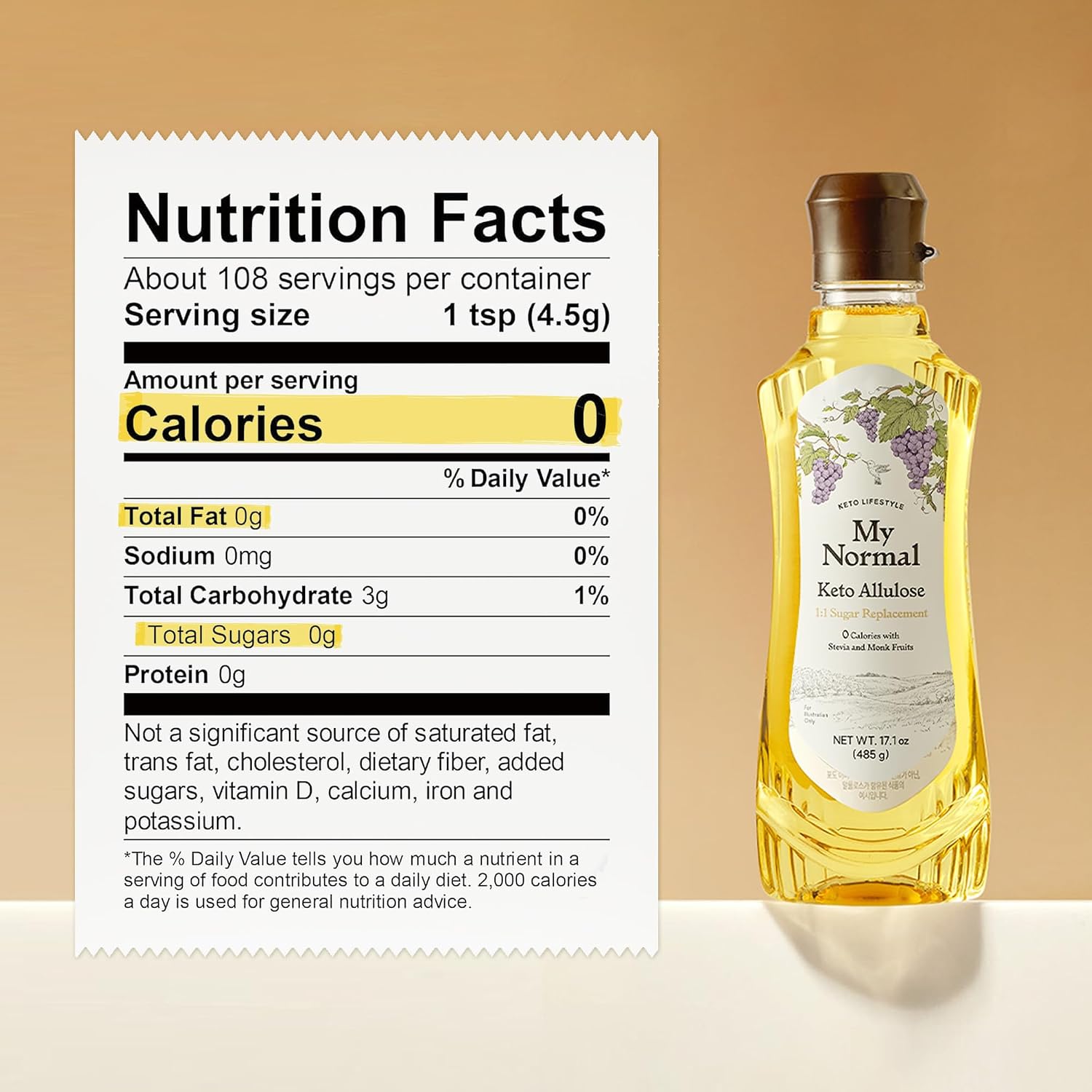
Allulose syrup — sometimes called liquid allulose — is pre-dissolved, so it integrates instantly into cold liquids, dressings, syrups, and marinades. It also brings hygroscopicity (the ability to attract and hold ambient water molecules) into baked goods, which can produce noticeably moister crumb textures. The trade-offs: you’re paying for water weight in every bottle, most brands require refrigeration after opening, and concentration varies enough across products that you need to check the label before substituting one-to-one.
According to examine.com’s ingredient overview of D-allulose, the compound’s functional properties — including its Maillard browning behavior and moisture retention — are preserved across both forms because the molecular structure is unchanged. The format only affects how those molecules are delivered into your recipe.
Head-to-Head: Three Use Cases That Determine Which Format You Need
H3: Cold-Process Sauces, Dressings, and Marinades
This is the most unambiguous win for liquid allulose. When you’re building a keto barbecue sauce, a low-glycemic teriyaki glaze, or a sugar-free salad dressing without applying heat, granular sweetener is a liability. Sugar’s normal solubility advantage disappears at room temperature and below, and allulose granules are even slower to dissolve than sucrose in cold water.
Syrup eliminates this problem entirely. The allulose is already in solution — you’re adding sweetness, moisture, and the characteristic mild caramel undertone that makes allulose a better match for savory-sweet applications than most other low-carb sweeteners. If you’re producing cold-fill sauces at any volume, the premium you pay for syrup pays for itself in quality consistency and time saved.
Approximate 2026 retail pricing: syrup runs roughly $1.50–$2.50 per ounce versus $0.40–$0.80 per ounce for bulk granular. On an active-ingredient basis the gap narrows but doesn’t close — syrup still runs approximately 2–3x the per-gram-of-allulose cost at most retailers.
 product image](/images/external/49f951a8fc24.jpg)
Wholesome
In stock on Amazon
Check price on AmazonH3: Beverages — Cold-Brew Style, Cocktails, and Carbonated Formats
In beverage applications, allulose syrup behaves exactly like a simple syrup — because that is functionally what it is. It disperses uniformly in cold liquid with a brief stir. Granular allulose in a cold drink requires either vigorous shaking (which creates foam problems in carbonated formats) or a pre-dissolving step that adds friction to your workflow.
For home practitioners making single-serve drinks, this is a convenience argument. For small-batch beverage formulators producing bottled products, it’s a production-consistency argument. Either way, syrup wins decisively on this terrain.
One practical note: because allulose syrup typically runs 30–50% allulose by weight versus 100% in granular, you’ll need more volume to reach the same sweetness level. Most practitioners use a 1.3–1.5x volume multiplier when substituting syrup for granular in beverage applications, but verify against the specific product’s concentration label before scaling.
My
$14.99
In stock on Amazon
Check price on AmazonH3: Keto Baking Where Moisture Retention Is the Goal
This use case is more nuanced and deserves honest acknowledgment of the trade-offs before a recommendation.
Allulose is already notable among keto sweeteners for producing moist baked goods. Serious Eats’ baking science coverage explains why hygroscopic sugars — those that attract ambient moisture — produce softer, longer-shelf-life baked goods compared to erythritol, which is notably non-hygroscopic and associated with the dry, crumbly texture that frustrates many keto bakers. The FDA’s GRAS Notice No. GRN 000762 for allulose also documents its recognized browning behavior as a functional property, distinct from how erythritol behaves under heat.
Syrup amplifies allulose’s hygroscopic effect. The water content in liquid allulose contributes to crumb moisture during baking, and practitioners working with keto brownie and cake recipes consistently report improved texture when using syrup versus granular in the same base recipe — specifically noting a less dry or cardboard-like result. The practical catch: you’re adding water to your recipe, which can affect structure. Some recipes require a compensating reduction in other liquid ingredients (milk alternatives, eggs) to maintain proper batter hydration. This adjustment phase is real and should not be minimized for new users.
For cookies, crackers, and any application where spread, caramelization, and crust development are the goals, granular allulose typically outperforms syrup. The dry crystal structure contributes to the Maillard browning reaction — the chemical process that creates golden, caramel-colored surfaces and toasty flavor. Serious Eats’ methodology notes on sugar behavior in heat applications confirm this trade-off broadly across hygroscopic sugar types: syrup formats can cause over-browning or excess spread if liquid ratios aren’t carefully dialed in.
Truvia
$24.99
In stock on Amazon
Check price on AmazonFormat Comparison at a Glance
| Format | Approx. price/oz (2026) | Allulose concentration | Shelf life after opening | Best application |
|---|---|---|---|---|
| Granular (bulk) | $0.40–$0.80/oz | ~100% | 12+ months, room temp | Hot baking, dry blends, cookies Wholesome — |
| Syrup (standard retail) | $1.50–$2.50/oz | 30–50% by weight | 3–6 months, refrigerated | Cold sauces, drinks, moist cakes My — $14.99 |
| Syrup (premium / organic) | $2.00–$3.00/oz | 40–50% by weight | 3–6 months, refrigerated | Beverage formulation, artisan sauces Truvia — $24.99 |
Prices reflect aggregated listings across major natural-foods retailers as of mid-2026. Per-gram-of-allulose cost narrows the gap but does not eliminate it.
When Granular Still Wins — Don’t Overpay for Syrup
Being direct about this matters. Syrup is not a universal upgrade. It is a specialized tool, and overpaying for it in the wrong application is a common and avoidable mistake.
Dry baking mixes and spice blends: If you’re producing a keto pancake mix, a dry rub, or any shelf-stable dry-format product, granular is non-negotiable. Syrup will introduce moisture that causes clumping and compromises shelf stability.
Cookie and cracker applications: As established above, granular allulose’s crystal structure supports the browning chemistry that produces proper crust development. The FDA’s GRAS documentation for allulose (GRN 000762) includes its recognized Maillard browning behavior as a notable functional property — one that depends partly on the physical interaction of dry crystals with protein and starch surfaces at high heat. Syrup disrupts this.
Cost-sensitive bulk production: If you’re running monthly batch production for a small food business, the margin difference between $0.40–$0.80/oz granular and $1.50–$2.50/oz syrup is significant at scale. Unless the application genuinely requires syrup’s dissolved state or moisture contribution, the cost premium has no functional justification.
First-time allulose users: If you are new to allulose and working through a recipe development phase, granular gives you more control and a lower per-experiment cost. Learn the compound’s behavior at low cost first, then optimize with syrup once you’ve identified where it adds concrete value.
The Decision Framework
If you’re standing in front of a purchase decision right now, use this logic:
-
Cold-process application (unheated sauces, dressings, marinades, cold beverages) → buy syrup. The solubility advantage alone justifies the price premium.
-
Hot beverages or simple syrups → either format works, but syrup saves a dissolution step. Buy granular if you already have it on hand.
-
Moist baked goods (cakes, brownies, quick breads where a tender crumb is the priority) → syrup is worth trying, but budget for a recipe adjustment phase to rebalance liquid ratios.
-
Cookies, crusts, or any product where caramelization and structure matter → stay granular.
-
Bulk production or dry-format products → granular only.
-
Buying your first allulose product → start granular. Lower cost, more forgiving across applications, universally applicable. Add syrup to your toolkit once you know your primary use cases.
The underlying logic is simple: syrup’s value is entirely in its pre-dissolved state and its moisture contribution. Every dollar of premium you pay over granular is purchasing exactly those two properties. If your recipe already handles dissolution (hot liquid, blender application) or doesn’t benefit from added moisture, you are paying for nothing.
A Note on Product Sourcing in 2026
The allulose syrup market has matured meaningfully since the FDA’s GRAS clearance allowed allulose to be excluded from “added sugars” labeling — a regulatory development documented in FDA GRAS Notice No. GRN 000762 that accelerated mainstream retail adoption. As of mid-2026, dedicated liquid allulose products are available from several specialty wellness and natural-foods brands in the $12–$28 range for 12–20 oz bottles. Granular allulose from brands such as Anthony’s Goods and NOW Foods remains the dominant format for bulk buyers, typically available in the $20–$40 range for larger bags.
The American Diabetes Association’s consumer guidance on diabetes.org continues to include allulose as a recognized low-glycemic option, which sustains steady demand from the diabetic and low-glycemic communities that represent a core market for both formats.
One logistical note: granular allulose is more consistently stocked across both online and brick-and-mortar natural-foods retailers. Syrup SKUs have stronger availability online but can be difficult to source locally — a factor worth building into your planning if you are formulating for a production run with a firm timeline. The format that wins is the one that matches your application. Now you have the framework to make that call without guesswork.